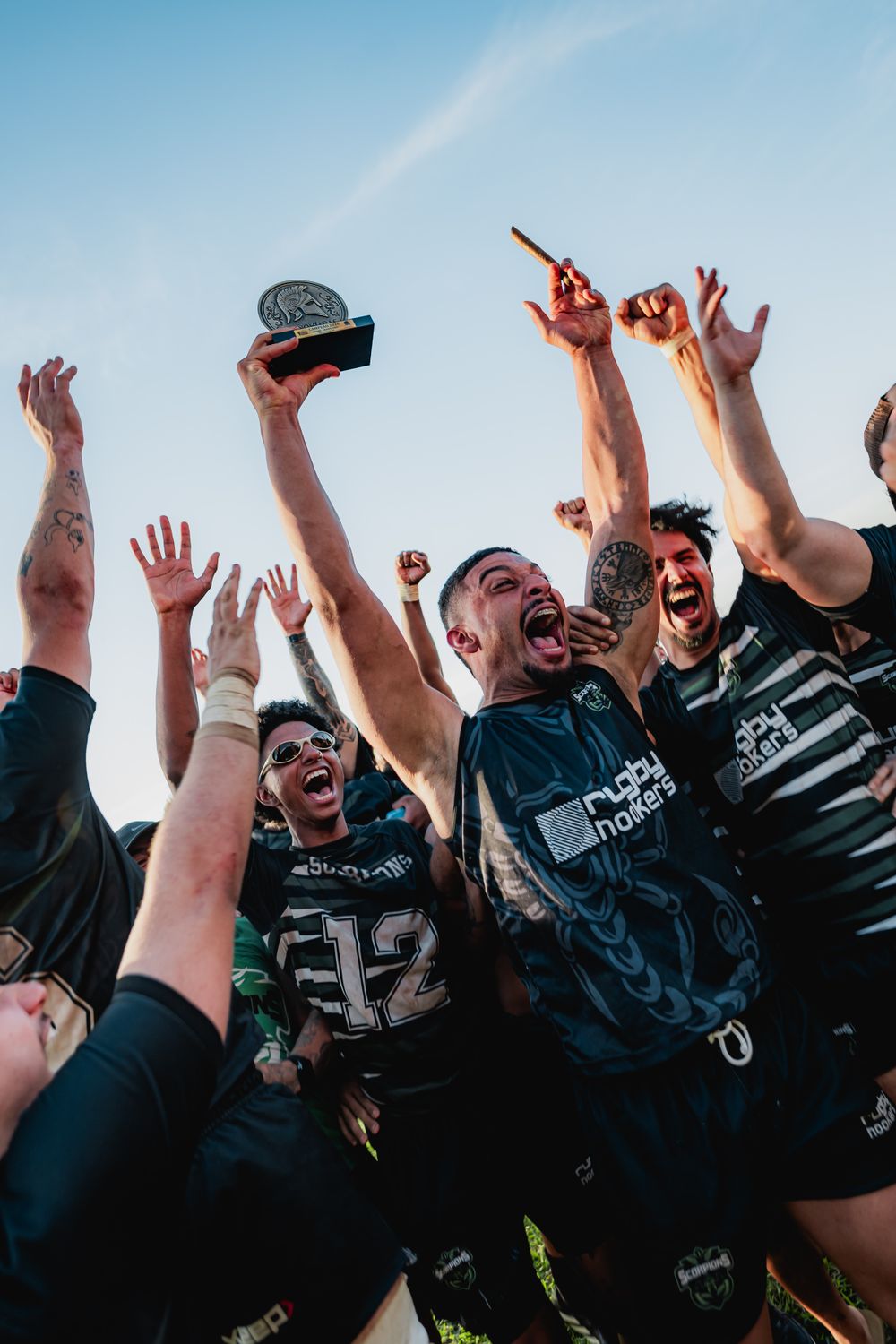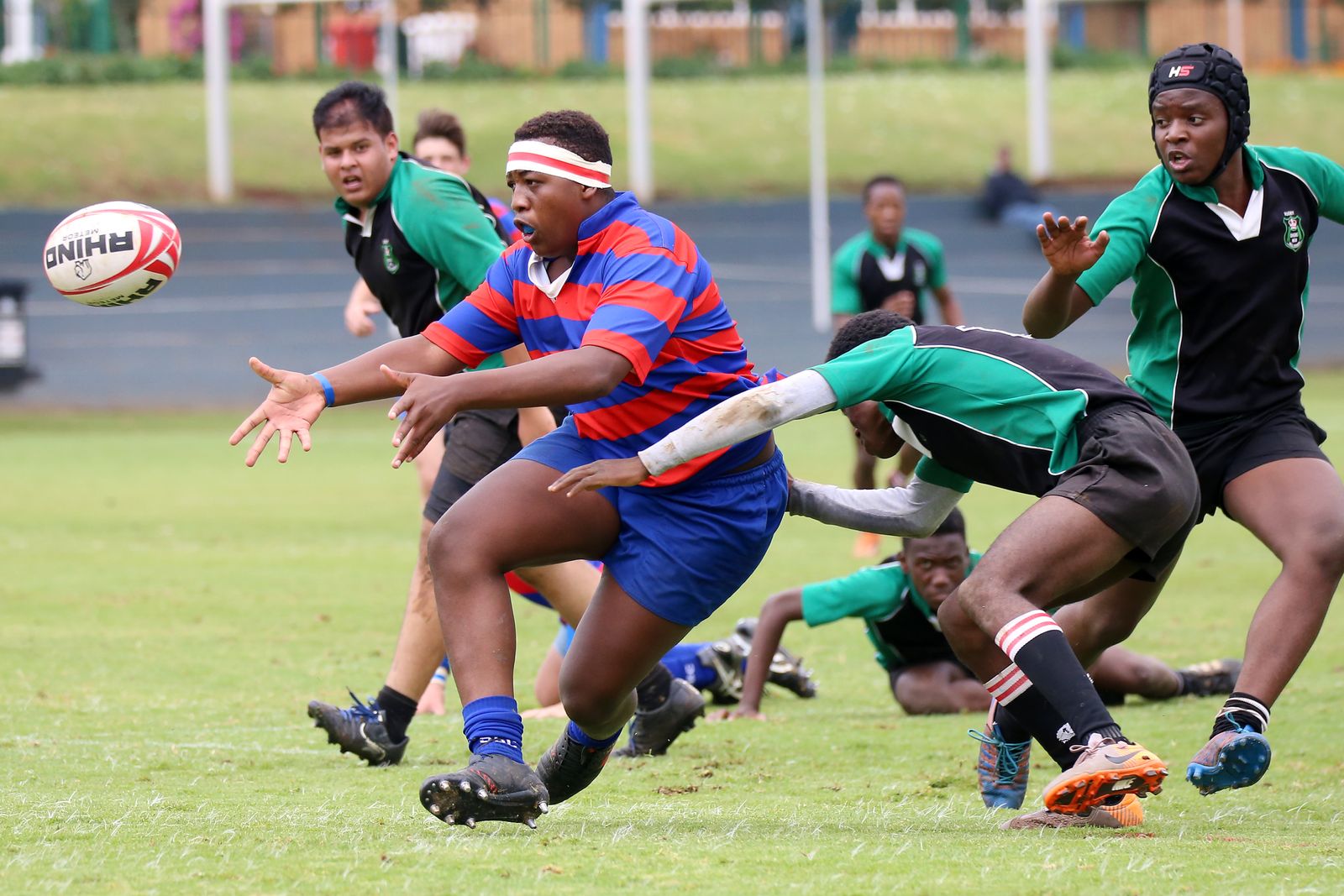
Rugby never had a billion-dollar broadcast deal to open doors. It travelled in kit bags — carried by teachers, soldiers, dockworkers and exchange students who marked out a pitch wherever they landed and taught the locals to pass backwards and run forwards.
Clubs Before Cameras
Long before the World Cup filled stadiums, the game grew one clubhouse at a time. A new club needs almost nothing: a field, a ball, and fifteen people willing to run through winter. That low barrier is why rugby took root on Pacific islands, in Argentine estancias, in Japanese company leagues and on frozen Canadian school fields.
The NFL took the opposite path — perfecting a television product so compelling that Sunday became an appointment. Rugby's lesson from that success is presentation: explain the laws clearly, mic up the referees, and a first-time viewer can love a match within twenty minutes.
What Our League Borrows From Both
At Skarnwick we schedule like Americans and develop like rugby people. Match days run to the minute — anthems, kickoff, halftime entertainment — while the week belongs to open training sessions where kids stand close enough to hear the calls.
Why the global game keeps growing
- Sevens gave every nation a realistic path to an Olympic medal.
- School programs put a ball in hands before boots are even bought.
- Broadcasters finally show the referee's reasoning, not just the whistle.
- Women's leagues doubled the talent pool in under a decade.

The Next Frontier
Growth now comes from unlikely places: American colleges adding varsity rugby, Gulf states building academies, and streaming platforms carrying second-tier leagues to global audiences. The oval ball has never been easier to find — or harder to put down.